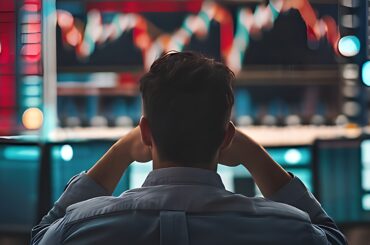

In a world dominated by indicators, charts, and economic data, traders often overlook the most powerful factor behind consistent success Trading Psychology. Markets may be driven by numbers, but trading decisions are driven by human behaviour. No strategy, algorithm, or signal can compensate for fear, greed, or emotional impulsiveness.
This is why mastering the mental side of trading is essential. A strong trading mindset is what separates consistently profitable traders from those who struggle despite having good strategies. In this guide, we explore the psychology behind profitable trading and how you can strengthen your mindset in 2025 and beyond.
What is Trading Psychology & How to Master It?
Trading Psychology refers to the emotions, mental habits, and behavioral patterns that influence how traders make decisions in the market. It affects when you enter a trade, how you manage risk, and how you respond to wins and losses.
To master trading psychology, traders must develop emotional awareness, follow a rules-based system, and remove impulsive decision-making. This includes setting clear risk limits, accepting losses without frustration, and staying consistent regardless of short-term results.
Successful traders don’t aim to eliminate emotions, they learn how to control them. Over time, discipline, patience, and self-reflection turn trading psychology into a powerful competitive advantage.
Why Trading Psychology Matters More Than Strategy
Many traders believe success comes from finding the “perfect” strategy. In reality, most strategies fail not because they’re flawed but because traders fail to execute them consistently.
Trading Psychology governs how you handle losses, follow rules, manage risk, and respond to pressure. Without emotional control, even the best system breaks down under real market conditions.
Profitable traders focus less on prediction and more on discipline, consistency, and self-awareness.
The Two Emotions That Destroy Traders: Fear and Greed
Every trader battles emotions, but fear and greed are the most destructive.
Fear causes hesitation, premature exits, and missed opportunities. Traders often close winning trades too early because they fear losing unrealized profits.
Greed, on the other hand, leads to overtrading, ignoring stop-loss rules, and revenge trading after losses. It convinces traders to risk more than they should.
Recognizing these emotions is the first step. Managing them through predefined rules and emotional discipline is what builds a profitable forex trader mindset.
Overtrading: The Silent Capital Killer
Overtrading is one of the most common trading psychology mistakes. It’s rarely driven by opportunity, it’s driven by boredom, FOMO (fear of missing out), or the urge to recover losses quickly.
When traders feel the need to always be in the market, decision quality drops. This leads to unnecessary trades, increased costs, and emotional exhaustion.
The solution is simple but powerful: trade only when your setup meets your strategy criteria. Less trading often leads to better results.
Loss Aversion: Why Traders Hold Losing Trades Too Long
Behavioral studies show that losses feel more painful than gains feel rewarding. This psychological bias explains why traders often close winning trades too early and hold losing trades too long.
Loss aversion clouds judgment and encourages hope-based decisions instead of logic. The antidote is a rules-based system with predefined stop-loss and take-profit levels.
Once a trade is placed, discipline not emotion must control the outcome. Emotional discipline in trading is non-negotiable for long-term success.
Discipline Beats Prediction Every Time
Markets are unpredictable, but disciplined behaviour is not.
Profitable traders don’t try to forecast every move. Instead, they react to what the market shows them using structure, rules, and patience. Discipline transforms an average strategy into a profitable system.
Habits of Disciplined Traders
- Follow a written trading plan
- Accept losses without emotional reaction
- Avoid trading when stressed or overconfident
- Take breaks after losing streaks
- Review performance consistently
This level of discipline is a cornerstone of profitable trading psychology.
The Power of a Trading Journal
Your memory fades, your trading journal doesn’t.
Journaling isn’t just about recording profits and losses. It’s about identifying behavioral patterns and emotional triggers. A journal helps answer key questions about discipline, execution, and emotional control.
Weekly journal reviews bring objectivity into your process and help refine both strategy and mindset.
Managing Expectations for Long-Term Success
One of the fastest ways traders fail is by expecting quick profits. Trading is a skill, not a shortcut to wealth. Like any professional skill, it requires time, patience, and repetition.
Realistic expectations reduce emotional pressure. Unrealistic expectations lead to frustration, overtrading, and eventual burnout. Survival comes before profitability and mindset determines survival.
Building Resilience After Losses
Losses are unavoidable. Even top traders experience drawdowns.
The difference lies in response. Amateur traders react emotionally, while professional traders respond analytically. Every loss should be reviewed objectively to extract lessons and improve future performance.
Tools That Support a Strong Trading Mindset
Your platform plays a critical role in reinforcing discipline. At PFH Markets, trading tools are designed to support psychological stability not emotional chaos.
Key features include smart stop-loss and take-profit controls, risk management templates, performance metrics, and clean dashboards that reduce decision fatigue.
Choosing the Right Online Forex Trading Platform
A professional Online Forex Trading platform enhances consistency, execution speed, and emotional control. The right platform removes friction, allowing traders to focus on mindset, risk, and strategy.
Using a trusted platform like PFH Markets helps reinforce disciplined behavior and long-term thinking key pillars of trading psychology success.
Where It All Comes Together: Master Your Mind, Master the Market
Trading Psychology isn’t a side skill, it is the skill. Strategies come and go, but mindset determines whether traders survive long enough to succeed.
With emotional control, structured rules, realistic expectations, and the right tools, traders gain clarity, confidence, and consistency.
FAQ
Why is trading psychology important?
Because emotional mistakes often cause losses, even when traders use good strategies.
How can I improve my trading mindset?
By following a trading plan, managing risk, journaling trades, and controlling emotions
What is the biggest psychological mistake traders make?
Overtrading due to fear, greed, or unrealistic expectations.
Can the right platform improve trading psychology?
Yes. A reliable, transparent platform reduces stress and supports disciplined decision-making.